
Storing your clothes properly is essential for maintaining their condition, especially when dealing with delicate or expensive garments. A clothes garment bag plays a crucial role in protecting your outfits from dust, dirt, and potential damage. However, simply placing clothes inside the bag isn’t enough. This guide will help you understand how to maximize the benefits of your clothes garment bag by storing your clothes correctly.
Choosing the Right Garment Bag
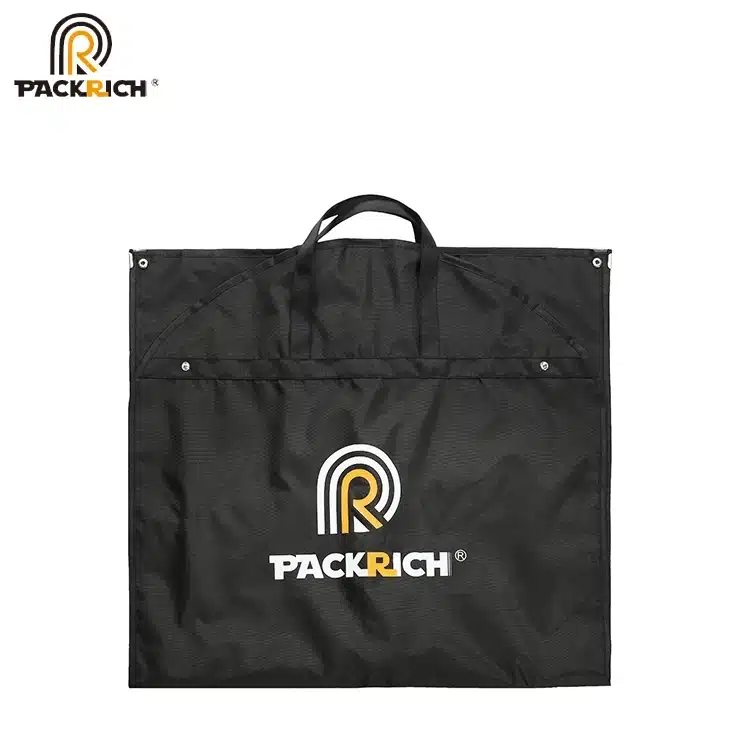
The first step to proper storage is selecting the right clothes garment bag. Not all garment bags are created equal, and your choice should depend on the type of clothes you plan to store. Look for bags made from breathable materials to prevent moisture buildup, which can lead to mold and mildew. If you need to store suits or dresses, opt for a bag with reinforced handles and a sturdy zipper. Make sure the bag is large enough to fit your garments without cramming, as this can lead to wrinkles.

Preparing Your Clothes
Before placing your clothes in the clothes garment bag, you should prepare them properly. Start by cleaning or dry-cleaning your garments, even if they only have slight stains. It can attract pests and lead to permanent damage. Once cleaned, allow your clothes to air out fully before storing them. This ensures that no moisture gets trapped inside the bag, which could cause unpleasant odors or fabric deterioration.
Using the Right Hangers
Choosing the right hanger is just as important as the clothes garment bag itself. Avoid wire hangers as they can stretch out the shoulders of your clothes. Instead, opt for wooden or padded hangers that provide proper support. For heavy garments like coats, choose sturdy hangers that can bear the weight without bending. Make sure the hanger fits the width of your garment to maintain its shape.
Proper Folding Techniques
If you need to fold your garments before placing them in the clothes garment bag, use proper folding techniques to avoid creases. For long-term storage, consider rolling instead of folding, especially for softer fabrics. Rolling minimizes creases and allows you to fit more items in a single bag. Place tissue paper between folds to cushion the fabric and prevent deep wrinkles.

Avoid Overloading the Bag
One common mistake is overloading the clothes garment bag with too many items. Doing so can compress your clothes, causing wrinkles and stretching the fabric. It’s better to use multiple bags rather than squeezing everything into one. Ensure that the bag zips up easily without force, indicating that it’s not overloaded. Each garment should hang freely without being squished.
Storing the Garment Bag
Where you store your clothes garment bag is just as important as how you store your clothes inside it. Choose a cool, dry place away from direct sunlight, which can fade colors and weaken fabrics. Avoid storing the bag in areas prone to extreme temperatures or humidity, such as attics or basements. If you must store it in a closet, ensure the space is clean and well-ventilated.
Regular Maintenance and Checks
Even after storing your clothes in a clothes garment bag, regular maintenance is necessary to ensure they remain in good condition. Periodically check the bag for signs of wear and tear, such as broken zippers or holes. Open the bag occasionally to let your clothes air out, preventing any musty smells. If you notice any issues, address them immediately to avoid long-term damage to your garments.

Special Considerations for Traveling
If you’re using your clothes garment bag for travel, there are additional factors to consider. Choose a travel-friendly bag that is lightweight and easy to carry. Make sure it meets airline size regulations if you plan to bring it as a carry-on. When packing, place the heaviest items at the bottom and the lightest at the top to prevent crushing. If possible, hang your clothes as soon as you arrive at your destination to minimize wrinkles.
Storing Different Types of Garments
Different types of garments require different storage methods. For example, suits and dresses should be stored hanging to maintain their shape. Sweaters and knits should be folded to prevent stretching. Delicate fabrics like silk should be kept in a separate garment bag to avoid contact with rough materials that could cause wear and tear. Pay attention to the specific needs of each garment type to ensure they remain in pristine condition.
Long-Term Storage Tips
For long-term storage, consider additional precautions. Place cedar blocks or lavender sachets inside the clothes garment bag to deter pests like moths. If storing for several months, periodically rotate the position of the garments to prevent any permanent creasing. Avoid vacuum-sealing your clothes as it can compress the fabric too much and cause damage over time.
Conclusion
Properly storing your clothes in a clothes garment bag is key to preserving their quality and extending their lifespan. By choosing the right bag, preparing your clothes, and following these storage tips, you can ensure that your clothes stay in good condition, whether you keep them at home or carry them around with you. Regular maintenance and careful attention to detail will keep your clothes looking as good as new, ready to wear whenever you need them.